
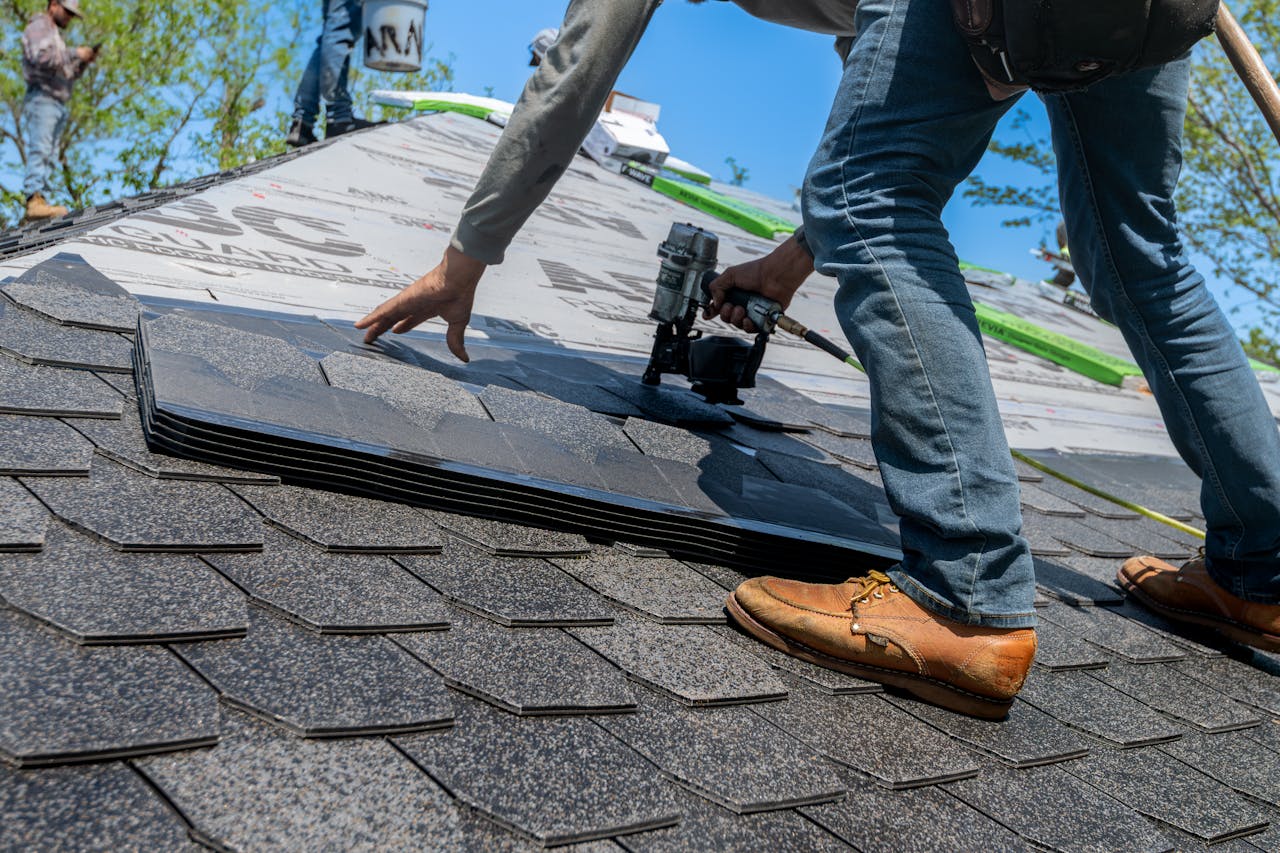
Roof leaks usually get blamed on shingles. That’s the easy assumption: storms roll through, shingles age, and people connect the dots. But in real-world inspections, that’s not where most leaks actually begin.
More often than not, the real issue starts in the overlooked parts of the roof: the metal flashing around chimneys, skylights, and vent pipes. These are the points where your roof is intentionally cut and sealed. And whenever you interrupt a surface like that, you create a weak spot.
Water doesn’t need a big opening. It just needs a path.
In Pennsylvania, especially, where roofs deal with heavy rain, snow, ice, and constant freeze–thaw cycles, these small weak points turn into long-term problems faster than most homeowners expect.
If you’ve been dealing with a chimney flashing leak, trying to understand the cause of a skylight-leaking roof, or tracking down a stubborn vent pipe roof leak, the real answer usually leads back to flashing, not shingles.
Why Roof Flashing Is the Real Problem Area
Roof flashing is thin metal (sometimes rubber or composite) installed around roof joints and penetrations. Its job is simple: move water away from seams and stop it from getting under the roofing system.
You’ll find the following flashing around:
- Chimneys
- Skylights
- Vent pipes
- Roof valleys
- Wall transitions
When it’s installed correctly, you barely notice it. It just works in the background.
But when something is off, like a wrong angle, poor overlap, bad seal, or aging material, water doesn’t stop. It redirects. And once water finds a path under shingles, it can travel surprisingly far before you ever see a stain indoors.
That’s why so many homeowners are confused when a ceiling spot appears far away from where the actual leak started. In most cases, it’s not sudden damage. It’s a slow failure from roof flashing installation errors that went unnoticed. For a closer look at how vent pipe flashing fails and the steps to replace it properly, this guide from Family Handyman walks through the process clearly.
Chimney Flashing Leak Fix: A Common Trouble Spot
Chimneys are one of the most common roof leak sources because they interrupt the roofing surface and require a full flashing system, not just a single layer of protection. A proper chimney setup includes step flashing along the sides, counter flashing embedded into the masonry, and base flashing at the bottom.
When any part of this system fails, water can slip behind the flashing and slowly enter the home. Signs you may need a chimney flashing leak fix include water stains near fireplaces or walls, peeling paint around chimney-adjacent ceilings, musty odors in the attic, and damp insulation near the chimney framing.
In older Bucks County homes, freeze-thaw cycles make the problem worse. Water gets into small gaps, freezes, expands, and gradually forces flashing or mortar apart. A real repair goes beyond caulking. It usually involves removing damaged flashing, inspecting masonry, and reinstalling a properly layered system.
This is why companies like Core One Construction llc often find issues returning after quick patch jobs instead of proper flashing repairs.
Skylight Leaking Roof Cause: Why It Keeps Coming Back
Skylights look simple inside the house, but they rely on a detailed flashing system above the roof. Most leaks aren’t caused by glass failure. The real cause of a leaking skylight roof is usually bad flashing installation, poor shingle integration, aging seals, roof movement, or water pooling around the skylight.
Water collects in these areas and slips through small gaps, often long before damage becomes visible indoors. Proper repair means removing surrounding shingles and reinstalling correct flashing, not just sealing, since sealant doesn’t last under the sun and temperature changes.
Vent Pipe Roof Leak: Small Pipe, Big Damage
Vent pipes may look minor, but they’re a common source of roof leaks because they pass directly through the roof surface and rely on a rubber boot and flashing to stay sealed. A vent pipe roof leak usually happens when the rubber boot cracks from sun exposure, flashing wears out, nails loosen, or the pipe wasn’t sealed correctly during installation.
Once the boot fails, water can run straight down the pipe into the attic, often going unnoticed until insulation gets wet or ceiling stains appear. The issue is small in size but can cause serious damage. Replacing the vent pipe boot is usually simple, but ignoring it can lead to mold and wood rot over time.
Speaking of water getting where it shouldn’t, if you’re also noticing overflow issues around your home’s exterior, our guide on gutters overflowing even when clean covers another commonly misunderstood water infiltration problem.
Roof Flashing Installation Errors Homeowners Don’t See
Many roof problems start on day one due to roof flashing installation errors, which is why some “new roofs” still end up leaking. Common issues include missing or improperly overlapped step flashing, missing kick-out flashing where roofs meet walls, reusing old flashing during reroofing, using the wrong materials, and poor sealing at corners and transitions.
Even small mistakes can send water under shingles instead of away from the roof. Once water gets behind the system, it continues spreading. That’s why two roofs of the same age can perform very differently; installation quality often matters more than the materials themselves.
For a deeper look at how installation decisions affect long-term performance and whether a repair or full replacement makes more sense, this homeowner’s guide to repair vs. replace walks through the key decision points clearly.
Roof Leak Repair Tips Every Homeowner Should Know
If you suspect a leak, acting early can make a big difference because roof damage spreads quickly. Useful roof leak repair tips include checking attic spaces after heavy rain for damp insulation or dark staining, looking around chimneys, skylights, and vents for early signs, and using binoculars to inspect flashing from the ground.
Avoid relying on caulk or tar as a permanent fix, and call for an inspection if the leak keeps coming back. Temporary patches may stop dripping, but they usually don’t solve flashing issues. The goal isn’t just stopping water once; it’s preventing it from returning in the next storm.
For a solid overview of how professionals approach diagnosing roof problems, this practical breakdown from This Old House on finding and fixing roof leaks is worth a read.
Flashing Replacement Cost PA: What Homeowners Should Expect
Flashing replacement cost depends on location, access, and damage severity, and prices can vary widely across Pennsylvania homes. Chimney flashing is usually the most expensive due to labor and masonry work. Skylight flashing ranges from moderate to higher, depending on the system. Vent pipe boot replacement is typically lower cost, and full flashing replacement has a higher upfront price but offers the best long-term protection.
Key factors include roof pitch, height, and how much material must be removed. While not always cheap upfront, replacing flashing early helps prevent costly structural damage like wood rot and framing issues later.
When to Call Core One Construction LLC
If leaks keep coming back, or you’re seeing multiple warning signs at once, it’s time for a proper inspection. Core One Construction llc handles roof leak diagnosis and repair across Bucks County and nearby areas, especially when the issue isn’t obvious from the outside.
You should consider a professional inspection if:
- Leak patches keep failing
- Multiple roof penetrations show moisture
- Interior stains are spreading over time
- The roof is aging or has been recently replaced, but is still leaking
A proper inspection doesn’t just look at shingles. It checks flashing systems, installation quality, roof transitions, and underlying decking conditions. For homeowners looking for roofing repair in Bucks County, the difference between a quick patch and a proper flashing repair often determines whether the problem comes back again next season.
Final Thoughts
Most roof leaks don’t start where people think they do.
They don’t start with missing shingles or obvious storm damage. They start at the small, hidden points where the roof is interrupted, such as chimneys, skylights, and vent pipes.
Once you understand that, everything else makes more sense. Whether you’re dealing with a chimney flashing leak fix, trying to identify a skylight leaking roof cause, or tracking a vent pipe roof leak, the real solution usually comes back to flashing quality and installation.
And when those details are done right, the rest of the roof usually holds up just fine. Catching issues early, following basic roof leak repair tips, and addressing flashing problems properly can save a lot of unnecessary repair costs down the line, especially with unpredictable Pennsylvania weather.